
.png?width=750&height=750&name=Thought%20Leadership%20(3).png)


.png?width=750&height=750&name=Webinar%20Linkedin%201x1%20(3).png)


.png?width=1200&height=1200&name=Webinar%20Linkedin%201x1%20(6).png)

.png?width=750&height=750&name=Webinar%20Linkedin%201x1%20(11).png)
.png?width=2000&name=3x2%20Images%20(4).png)

.png?width=1200&height=1200&name=Webinar%20Linkedin%201x1%20(10).png)

If you are treating supplier quality as something you only check after a delivery arrives at your loading dock, you are already too late. In today’s high-stakes supply chain environment, catching a defect after the fact means lost revenue, delayed production, and potential reputational damage.
This is where Supplier Quality Assurance (SQA) steps in.
Unlike reactive quality control, SQA is the systematic, proactive approach to guaranteeing that a supplier’s materials, components, and services meet your exact specifications before they ever leave the supplier’s facility.
In this guide, we will break down exactly what SQA entails, what goes into a formal SQA agreement, and how you can transition from chaotic spreadsheet-tracking to a streamlined, automated quality assurance process.
What is Supplier Quality Assurance (SQA)?
Supplier Quality Assurance (SQA) is the set of proactive processes, audits, and agreements designed to ensure a supplier consistently meets a buyer's quality standards. SQA focuses on defect prevention rather than defect detection. By assessing and collaborating with suppliers on their internal manufacturing and quality processes, procurement teams can mitigate risk early in the sourcing lifecycle.
SQA vs. SQM: What’s the Difference?
These terms are often used interchangeably, but they serve different functions:
- Supplier Quality Management (SQM) is the overarching, macro-level framework. It encompasses the entire lifecycle of managing supplier performance, relationships, and broad strategic alignment. (Read our comprehensive guide to Supplier Quality Management here.
- Supplier Quality Assurance (SQA) is the tactical, micro-level execution within that framework. It is the specific preventative measures, audits, and binding agreements that make the broader SQM strategy a reality.
The Foundation of SQA: The Supplier Quality Assurance Agreement (SQAA)
To hold suppliers accountable, you need a single source of truth. A Supplier Quality Assurance Agreement (SQAA) is a formal, binding document signed by both parties that explicitly outlines the quality expectations, testing procedures, and consequences of non-compliance.
A robust SQAA should include:
- Quality Metrics & KPIs: Exact acceptable defect rates (e.g., PPM - Parts Per Million), On-Time In-Full (OTIF) targets, and compliance requirements.
- Audit Rights: The buyer's right to conduct unannounced or scheduled site visits and system audits.
- Process Change Notifications: A clause requiring the supplier to notify the buyer before changing raw materials, manufacturing processes, or sub-tier suppliers.
- Non-Conformance Penalties: Clear outlines of who bears the cost for defective parts, sorting, and expedited shipping due to quality failures.
Pro Tip: Make your SQAA a living document. It should be reviewed and updated annually during strategic supplier business reviews.
4 Proactive Steps to Build a Bulletproof SQA Process
1. Pre-Qualification and Onboarding Audits
SQA begins before a contract is even signed. During supplier onboarding, potential suppliers must be heavily vetted. This goes beyond basic financial checks and delves deep into their Quality Management Systems (QMS), such as their ISO 9001 certifications.
2. Implementing Preventative Frameworks
Industry-standard frameworks help predict where failures might happen so they can be prevented. Common tools include:
- FMEA (Failure Mode and Effects Analysis): Identifying potential failure points in a supplier's design or manufacturing process.
- PPAP (Production Part Approval Process): A rigorous standardized process requiring suppliers to prove they can consistently manufacture parts to specification at volume.
3. Continuous Performance Monitoring (KPIs)
You cannot assure quality if you aren't tracking it continuously. Tracking OTIF, defect rates, and audit scores over time allows you to spot negative trend lines before they result in a catastrophic supply chain disruption.
4. Corrective and Preventive Actions (CAPA)
When a quality issue inevitably arises, SQA dictates how it is handled. A CAPA process forces the supplier to investigate the root cause of a defect (often using the 8D problem-solving method) and prove they have implemented a systemic fix so it never happens again.
Stop Chasing Spreadsheets: Automating SQA with Kodiak Hub
The biggest hurdle procurement teams face when implementing SQA isn't a lack of knowledge - it’s a lack of tools. Tracking audit schedules, CAPA reports, and SQAA signatures across hundreds of suppliers using static spreadsheets and scattered email threads is a recipe for blind spots.
To truly assure quality, you need centralized visibility.
Here is how Kodiak Hub transforms SQA from a manual headache into a strategic advantage:
- Automated Supplier Onboarding: Automatically trigger pre-qualification questionnaires and self-assessments to ensure suppliers meet your quality baseline from day one.
- Centralized CAPA Tracking: Say goodbye to lost email threads. Trigger, assign, and track Corrective Actions directly within the platform. Both you and your supplier can see the status of a resolution in real-time.
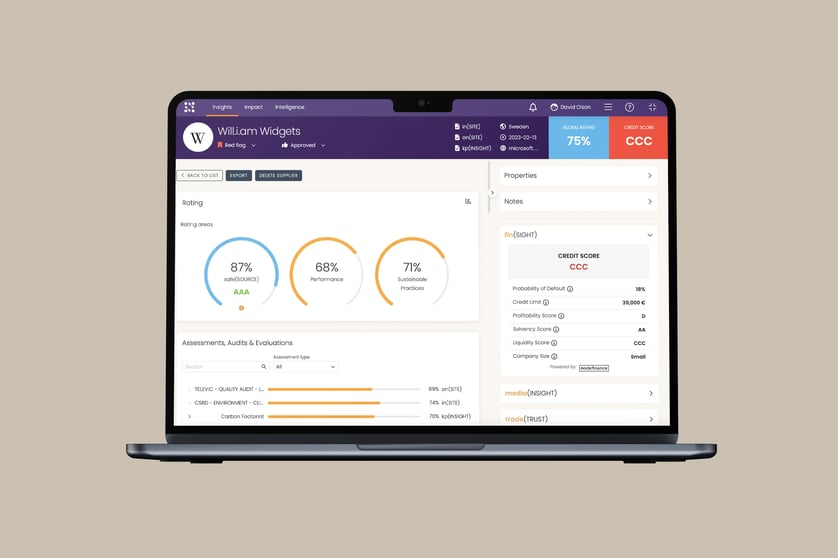
- Dynamic Supplier Scorecards: Aggregate quality data instantly. Kodiak Hub transforms complex audit results and daily performance metrics into visual scorecards, making it immediately clear which suppliers are top-tier and which require intervention.
Ready to Take Control of Your Supply Chain Quality?
Proactive quality assurance requires the right strategy and the right technology.
[Download our Free 2026 Supplier Quality Audit Checklist Here]
If you are ready to move beyond manual tracking and want to see how Kodiak Hub can automate your supplier quality assurance processes, Book a Demo Today below and see the platform in action.